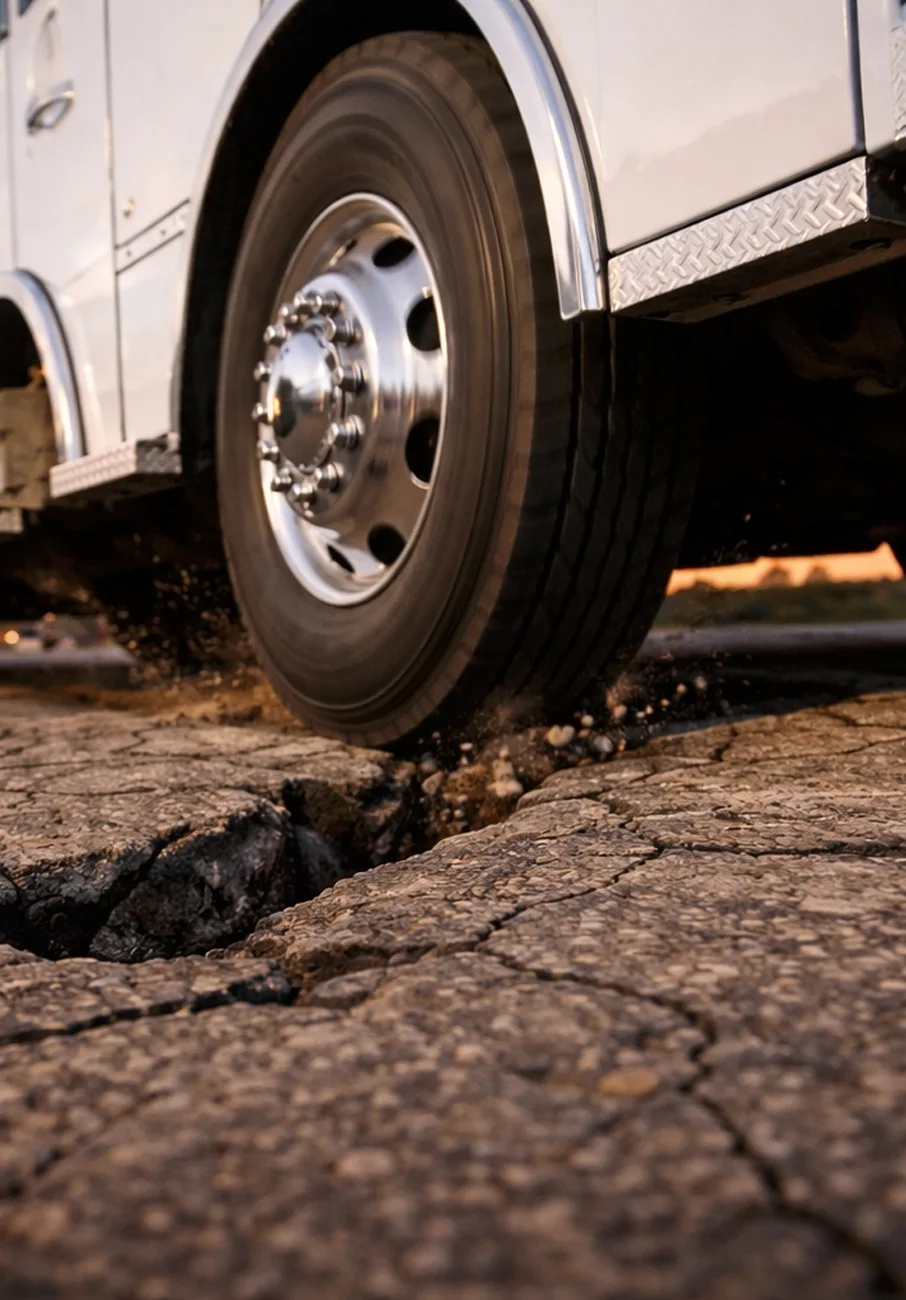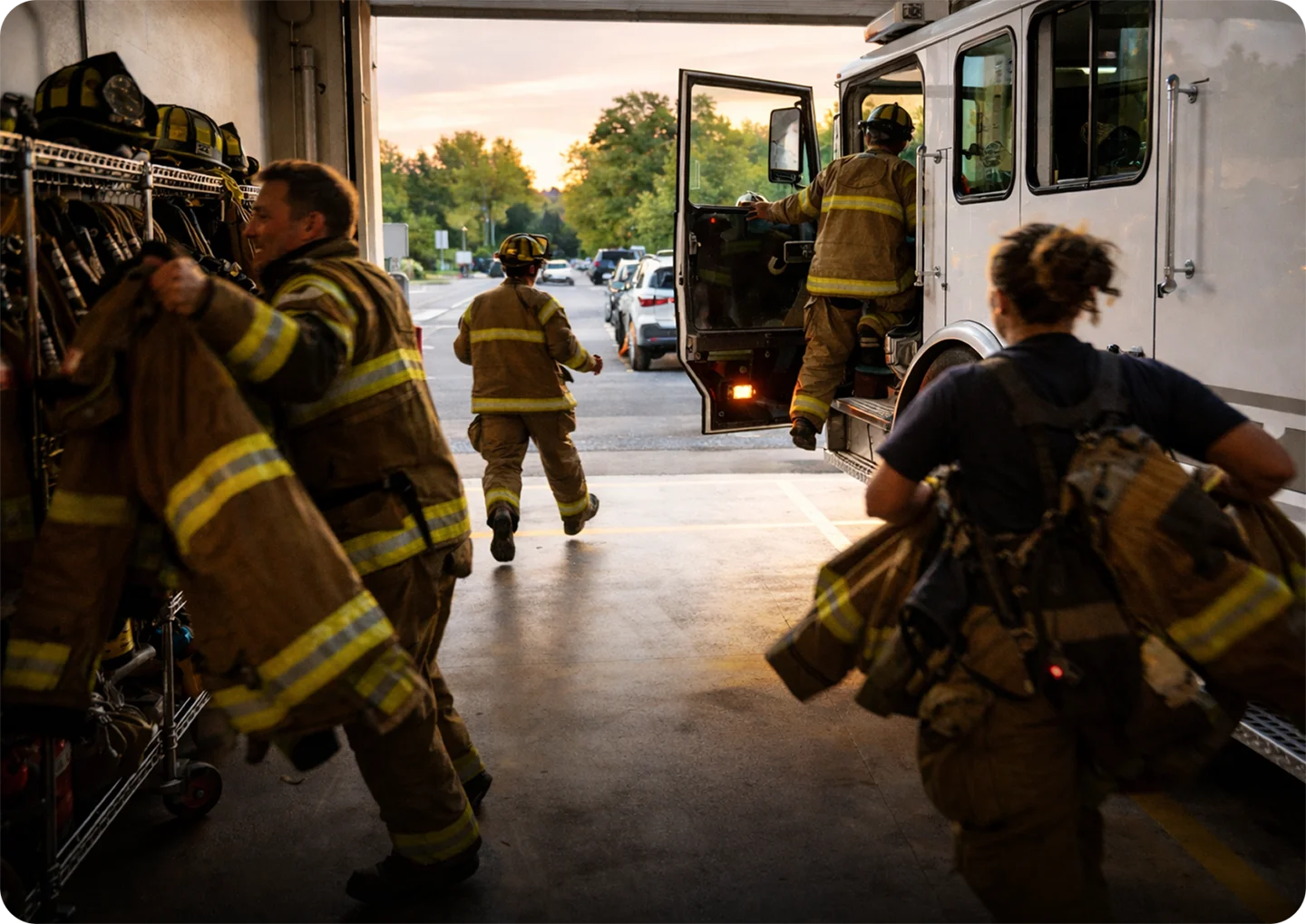
Seconds save lives. So do roads.
Seconds are precious in any emergency response. From property fires to cardiac events, any delay in the response system can mean the difference between survival and catastrophe. But who ever considered road conditions as part of that system?
Seconds are precious in any emergency response. From property fires to cardiac events, any delay in the response system can mean the difference between survival and catastrophe. But who ever considered road conditions as part of that system?
In 2025, the City of Westminster Colorado readied ballot initiatives to fund better roads and to support first responders with equipment and firehouses. A denser population due to growth meant first responders were having trouble meeting the six-minute response standard.
Presented individually, each budget initiative would compete for attention, and each invites the natural response to infrastructure spending — skepticism, detachment, the sense that someone else will sort it out.
Public apathy was tangible to city leaders: Just two years prior, a firehouse budget initiative was rejected by voters.
A story with emotional weight
Rather than undertake two separate infrastructure asks, we reframed them into a single story with emotional gravitas: Roads and firehouses are not two budget items. They are one emergency response system.
Degrade either one and you degrade the whole system. Fund both and you fund something residents can actually feel: the assurance that if something goes wrong, help will arrive.
Instead of a story about roads and buildings, it became about the minutes between a 911 call and the moment help arrives, and everything a community can do to shorten them.
That reframe, from infrastructure investment to life-safety investment, changed the story’s emotional register entirely. It gave residents a reason to care that no pothole repair schedule ever could.
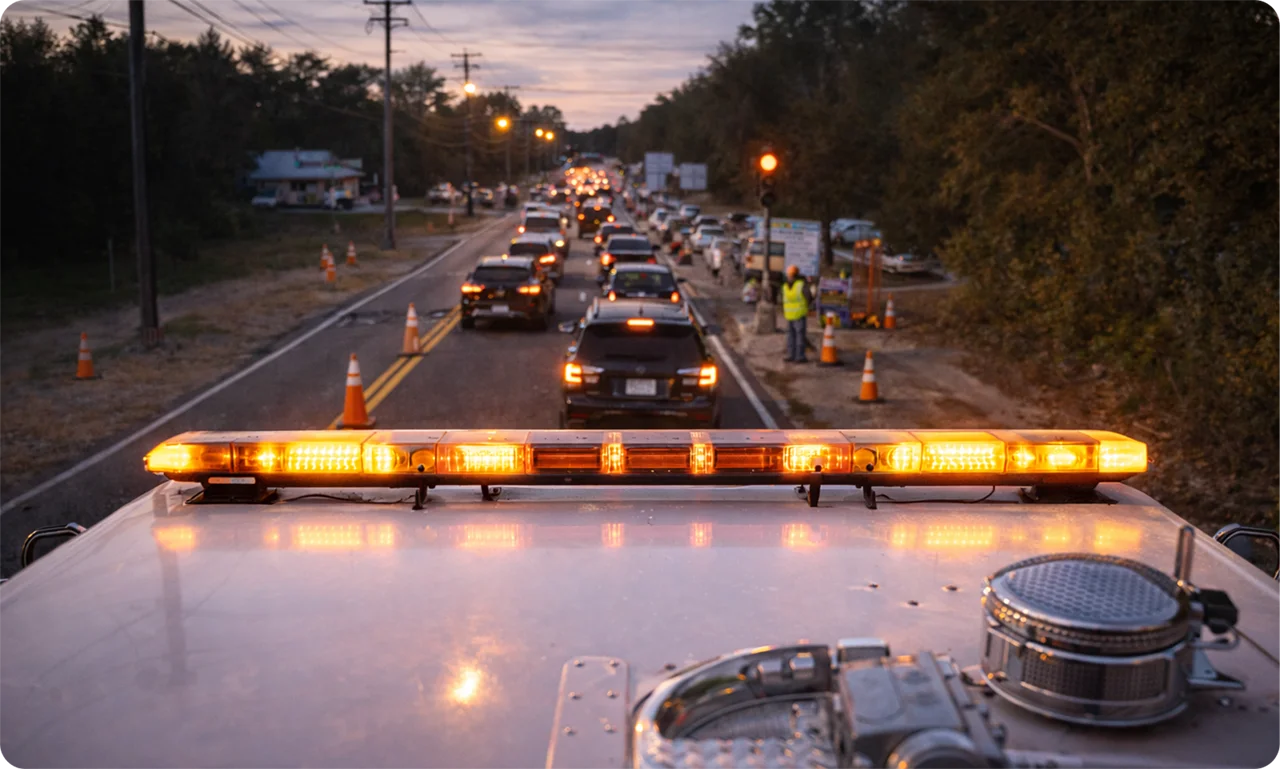
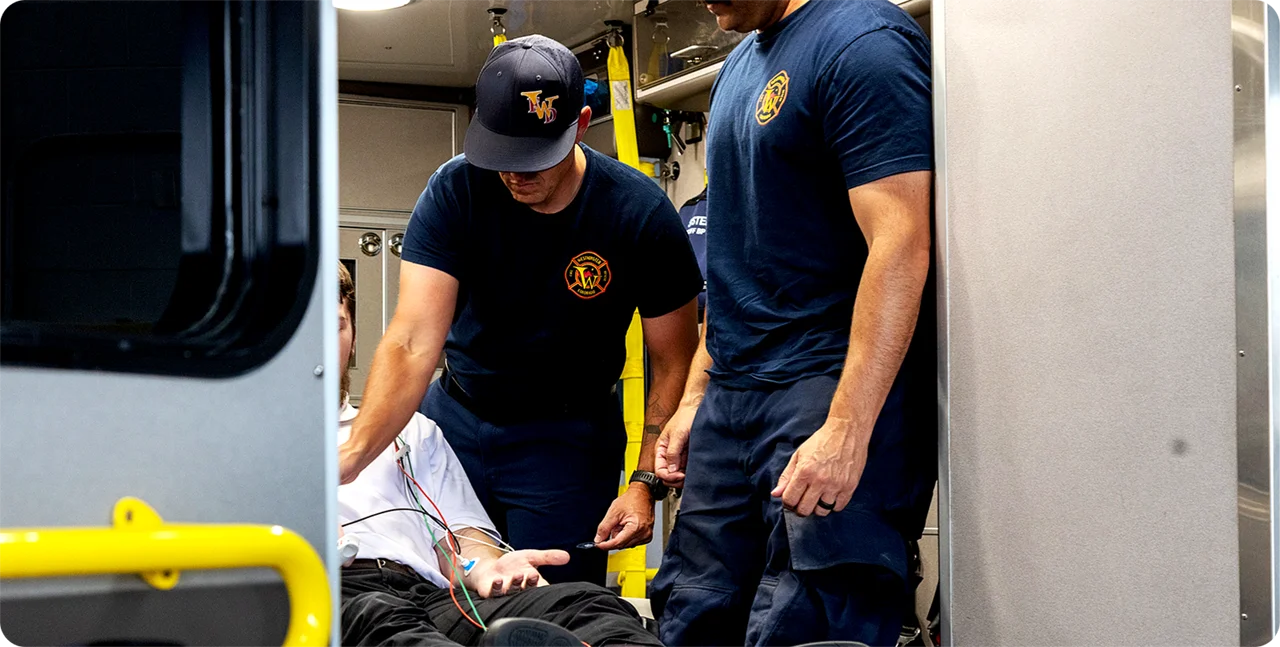
Media that hit home
We told that unified story across every channel where Westminster residents live. A robust digital campaign connected emergency response with road condition through display, video, and targeted placements, meeting residents where they already spent their time.
Media context matters and we knew holding this story in your hands at home through physical direct mail would be powerful. Emergency response time information at your kitchen table lands differently than an ad served between social posts.
The imperative across all channels was consistency. One narrative, reinforced across every touchpoint. Not repetition for its own sake, but the kind of sustained, cross-channel exposure that moves a message from something a person sees to something a person believes.
Motivation overcame apathy
With significantly increased public, the combined budget initiative passed narrowly, closing the apathy gap from previous years and being hailed “a major investment in our neighborhood streets, ability to fight fires, and save lives”.
526,392
Total campaign impressions across digital channels
22x
Average ad frequency — each resident reached repeatedly across channels
92.56%
View-through rate — well above the 66.67% industry benchmark
“… An investment in safety, reliability, and the everyday quality of life for Westminster families”
— Mayor Nancy McNally